October 19, 2026
Construction projects often begin with land that presents challenges long before the first foundation is poured. Slopes, rocky ground, unstable soil, and uneven surfaces can complicate excavation and make site preparation more demanding. These conditions require careful planning, appropriate equipment, and an understanding of how the ground will respond to digging and grading. Experienced excavating companies assess the terrain before work begins to determine the safest and most practical approach. Their work helps establish stable building areas, prepare access routes, and support effective drainage throughout the property. Without proper preparation, difficult terrain can contribute to erosion, equipment problems, delays, and costly corrections later in construction. Every site has different characteristics, so excavation methods must be adapted to its specific conditions. Understanding how contractors manage these challenges helps property owners prepare for construction with greater confidence.
Assessing the Terrain Before Excavation
A thorough site assessment helps identify potential problems before excavation equipment begins moving soil. Contractors examine the property's elevation, slope, soil composition, existing vegetation, drainage patterns, and access points. They may also review survey information, construction plans, and geotechnical reports when these documents are available or required. This information helps determine where digging can occur safely and which areas need additional preparation. On uneven properties, measurements can identify elevation changes that affect building placement and grading requirements. Rocky ground may require different equipment and a different excavation sequence than softer soil. Experienced excavating companies use these findings to plan equipment placement, material removal, and site access. A detailed assessment reduces uncertainty and helps establish a realistic plan for completing the work.
Managing Slopes and Elevation Changes
Sloped terrain can create challenges involving stability, equipment access, drainage, and the placement of structures. Excavation on an incline requires careful consideration of how soil will behave when material is removed or redistributed. Contractors may need to cut into higher ground, fill lower areas, or create level building pads according to approved plans. The amount of grading depends on the property's natural contours and the intended use of the site. Temporary access routes may also be necessary to allow machinery to reach different elevations safely. In some cases, retaining structures or engineered slope stabilization measures may be needed beyond the excavation work itself. Contractors must coordinate these activities with the project design rather than making unsupported changes to the landscape. Proper planning helps prepare sloped properties for construction while reducing the likelihood of instability and drainage problems.
Removing Rock and Dense Ground Materials
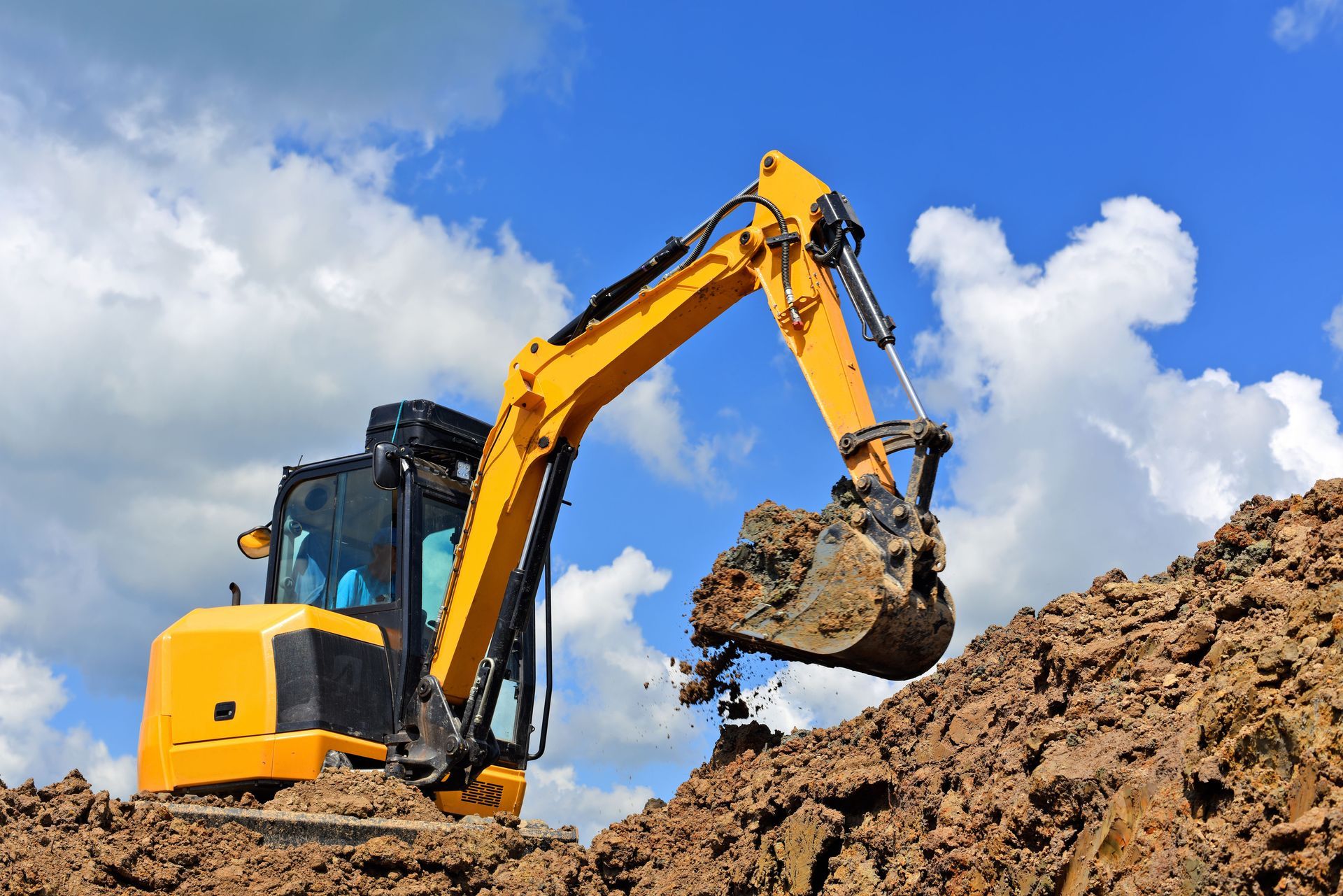
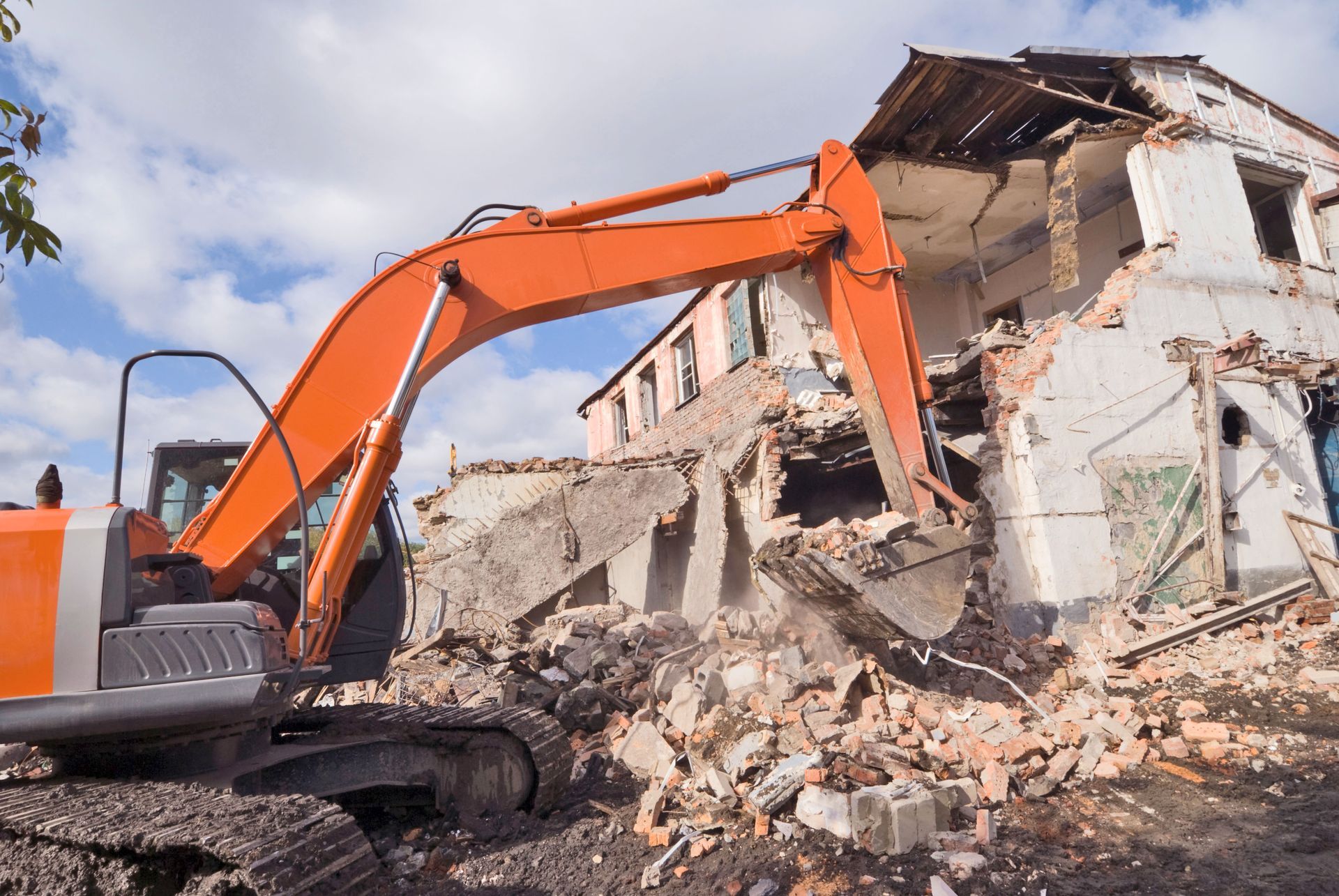
Rocky terrain can slow excavation because conventional digging methods may not be sufficient to remove dense materials. Contractors first determine the approximate extent and characteristics of the rock before choosing suitable equipment. Depending on the conditions, they may use heavy-duty excavators, hydraulic breakers, or other specialized attachments to loosen and remove material. Hard rock can require additional time, fuel, equipment wear, and hauling arrangements. Operators must also consider nearby structures, underground utilities, and restrictions on vibration or noise. The removed material may need to be transported away or managed according to the project's plans and local requirements. Excavation schedules should account for the possibility that rock extends deeper or covers a larger area than initially expected. With the right preparation, excavating companies can address difficult ground conditions while keeping the work aligned with construction requirements.
Preventing Soil Erosion During Construction
Moving soil exposes ground surfaces that may be vulnerable to wind and rainfall. Sloped areas are particularly susceptible because water can travel downhill, carrying loose sediment into drainage systems, neighboring properties, or nearby waterways. According to WifiTalents, soil erosion at construction sites can occur at a rate 10 to 20 times greater than on agricultural land. This highlights why erosion prevention should be considered during site preparation rather than postponed until construction is nearly finished. Contractors can use appropriate measures such as temporary drainage channels, sediment barriers, stabilized entrances, and protective ground coverings. The right approach depends on soil conditions, slope steepness, weather exposure, and local environmental requirements. Work sequencing also matters because limiting the amount of exposed soil can reduce opportunities for erosion. Effective erosion controls help protect surrounding areas and keep the construction site better managed.
Improving Drainage Across Uneven Properties
Drainage is a major consideration when preparing land with slopes, depressions, or irregular ground levels. Poor grading can direct water toward building foundations, create standing water, or contribute to soil movement. Contractors evaluate the natural flow of water and determine how grading should support the approved drainage design. They may reshape selected areas, establish drainage swales, or prepare routes for planned stormwater systems. Excavation must account for existing utilities and structures that could be affected by changes in elevation. In some cases, engineers or drainage specialists need to provide design requirements for more complicated conditions. Contractors should not simply redirect water toward neighboring properties or unapproved discharge points. Careful grading and drainage preparation help protect the site and support the long-term performance of the completed project.
Selecting Equipment for Difficult Conditions
Different terrain conditions require different combinations of machinery, attachments, and operating techniques. Large excavators can move substantial quantities of soil, while smaller equipment may be more appropriate where access is restricted. Tracked machinery can provide useful traction on certain uneven surfaces, although ground conditions must still be evaluated before equipment is positioned. Rocky terrain may require specialized breaking attachments, while confined spaces may call for compact equipment with greater maneuverability. Contractors also consider the machine's reach, lifting capacity, ground pressure, and ability to operate safely on the site. Equipment selection affects productivity, fuel use, and the risk of unnecessary ground disturbance. Operators must follow manufacturer requirements and applicable safety procedures when working on slopes or unstable surfaces. Matching machinery to site conditions helps excavating companies complete demanding tasks more efficiently and safely.
Protecting Utilities and Nearby Structures
Difficult terrain can make it harder to identify and access underground utilities or work close to existing structures. Before digging, contractors should arrange for applicable utility locating services and review available site plans. Buried water lines, electrical cables, sewer connections, and communication infrastructure must be considered when establishing excavation boundaries. On sloped properties, removing soil near a building may also affect the surrounding ground's stability. Contractors need to follow the project plans and consult qualified professionals when excavation could influence foundations, retaining structures, or adjacent land. Restricted access may require adjustments to equipment placement and the sequence of work. Clear communication between the excavation team, project manager, and relevant specialists helps reduce the likelihood of avoidable damage. Careful coordination protects existing infrastructure and supports a more predictable construction process.
Planning Work Around Weather Conditions
Weather can significantly influence excavation on slopes, rocky ground, and areas with unstable soil. Heavy rainfall may soften the ground, reduce traction, increase runoff, and make some work areas unsafe for machinery. Dry conditions can create dust, while freezing temperatures may make certain soils harder to excavate. Contractors should consider forecasts, ground conditions, and site-specific risks when establishing work schedules. Temporary erosion controls and drainage measures may need adjustment as construction progresses. If conditions become unsafe, postponing particular activities may be necessary to protect workers and equipment. Scheduling flexibility can also help reduce damage caused by operating heavy machinery on saturated or unstable surfaces. By accounting for changing weather, excavating companies can better manage delays and maintain appropriate site controls.
Preparing Difficult Sites for Successful Construction
Preparing challenging terrain requires more than removing dirt or creating a level surface. Contractors must consider soil stability, rock removal, drainage, equipment access, erosion prevention, and the protection of nearby infrastructure. Each factor influences how the site should be prepared and which methods are suitable for the work. Early planning helps identify potential complications before they affect the project schedule or budget. Property owners should communicate their construction goals and share available surveys, plans, and relevant site information with the excavation team. GADDIS can help property owners address demanding site conditions through excavation and land preparation services suited to project requirements. Contact GADDIS to discuss your property's terrain and determine the next steps for preparing your site for construction.